It’s not just a diet, it’s fuel for success. Let’s discover how the great champions manage coeliac disease, turning it from an obstacle into a competitive advantage.
The Coaching Staff: Beyond the diagnosis, toward the podium
Competing at a high level with coeliac disease calls for a precise strategy. The challenge isn’t the absence of gluten, but optimising absorption and managing nutrients.
1. Regeneration as the foundation of energy For an athlete, the gut isn’t just a digestive organ but the body’s “power plant.” A timely diagnosis and a strict diet allow the intestinal villi to recover, ensuring the absorption of:
- Iron: Essential for carrying oxygen to the muscles.
- Calcium and Vitamin D: Indispensable for bone health and the prevention of stress fractures.
- Vitamin B12: Essential for energy metabolism.
2. Carbohydrates: The “building blocks” of endurance Replacing wheat pasta doesn’t mean giving up carbohydrates. Naturally gluten-free sources such as quinoa, brown rice, sweet potatoes and buckwheat offer a steadier release of energy (a controlled glycaemic index), avoiding the insulin spikes that can cause dips in performance.
3. The challenge of travelling and contamination The greatest risk for the coeliac athlete is accidental contamination during competitions or training away from home. Even a tiny amount of gluten can cause systemic inflammation, brain fog and joint pain, compromising days of preparation. The watchword is preparation: kits of certified snacks and meal planning are an integral part of training.
The Protagonists: When “Gluten-Free” wins Gold
Here are some figures who have shown that coeliac disease (or gluten sensitivity) can be managed successfully at the highest levels in the world:
Eve Muirhead: Cool nerves and Olympic gold
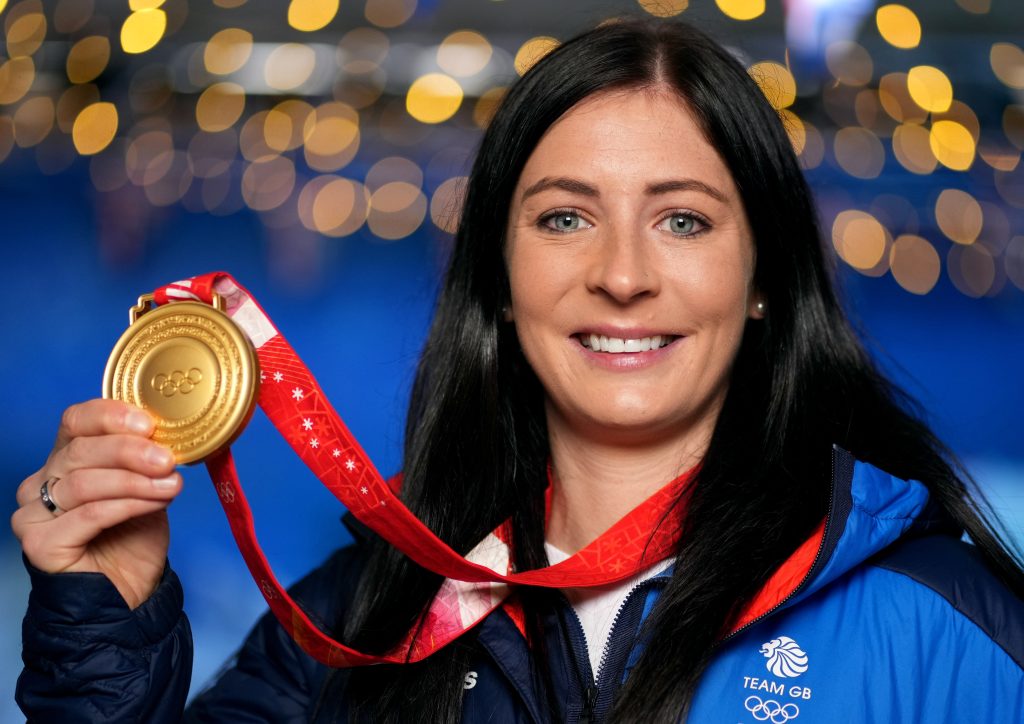
A curling legend and Olympic champion at Beijing 2022, Eve Muirhead has dominated the ice while living with coeliac disease. With glacial focus, the Scottish “skip” has shown that strict dietary management isn’t an obstacle but a pillar of her athletic preparation. Eve is now a pioneer of winter sports — competing at the Milan Cortina Olympics currently under way — and living proof that, with the right nutritional awareness, you can lead your team to the top of the world, becoming a role model for future coeliac champions.
Sabine Lisicki: Power and resilience in tennis
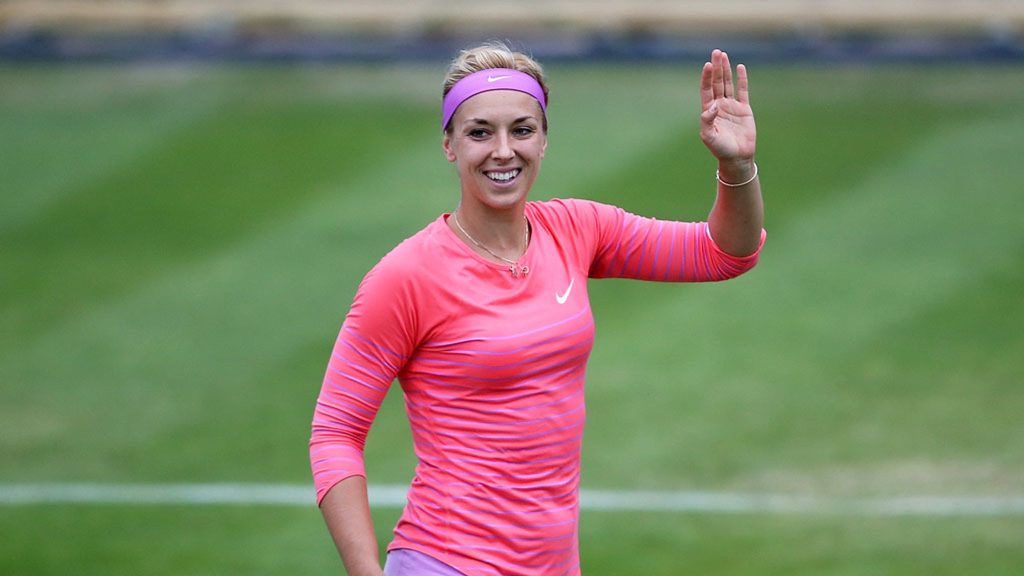
Known for her record-breaking serve and infectious smile, German tennis player Sabine Lisicki — a Wimbledon finalist in 2013 — had to face a silent challenge: gluten sensitivity. Before her diagnosis, Sabine often struggled with fatigue and sudden physical slumps. Once she cut out gluten, she rediscovered the energy needed to compete at the highest levels on the WTA tour. Her story underlines how crucial it is to listen to your own body in order to turn a physical limit into fresh competitive drive.
Martin Castrogiovanni: The strength of the prop
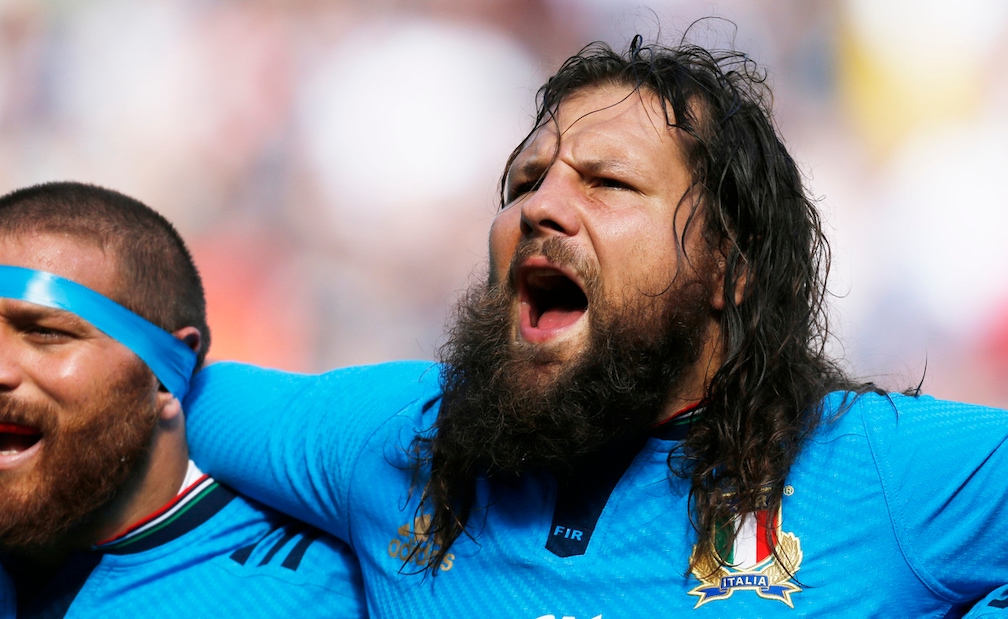
An icon of Italian rugby, Castrogiovanni discovered his coeliac disease in the middle of his competitive career. Many thought that without pasta and bread a player of his calibre would lose power. Instead, Martin showed that with the right balance of protein and alternative grains, explosive strength not only stays intact but improves, thanks to more efficient digestion.
Novak Djokovic: The turning point
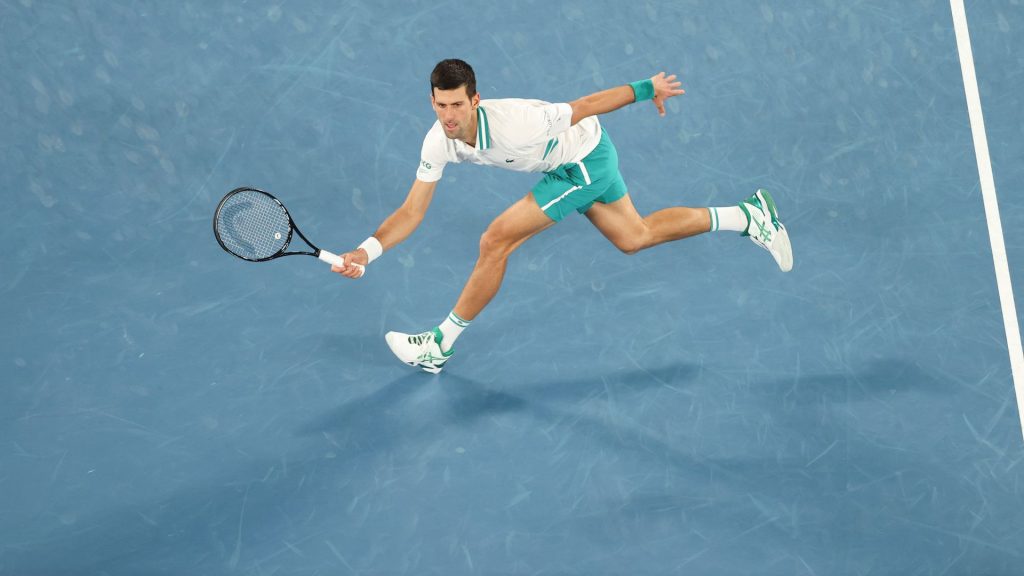
The most famous case in the world. In 2010, after discovering a strong gluten intolerance, the Serbian tennis player overhauled his diet. The result? He went from being a “fragile” talent who often retired through exhaustion to becoming one of the most durable and successful athletes in history. For him, going gluten-free was the secret to sporting longevity.
Brooke Buschkuehl: Jumping over the hurdles
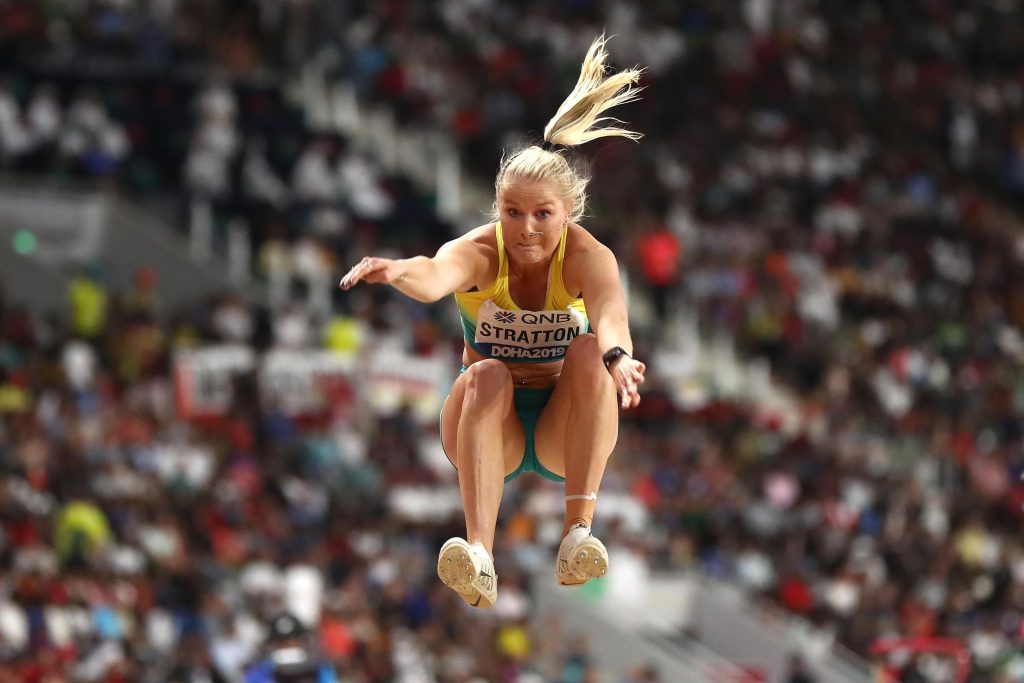
The Australian long jumper, a leading figure at Paris 2024, battled for years against chronic fatigue before her coeliac diagnosis in 2013. Once she cut out gluten and managed her condition (also associated with Hashimoto’s thyroiditis), she rediscovered the energy to compete among the world’s best, becoming an example of resilience for all young athletes.
Dana Vollmer: “Gluten-Free” Olympic records
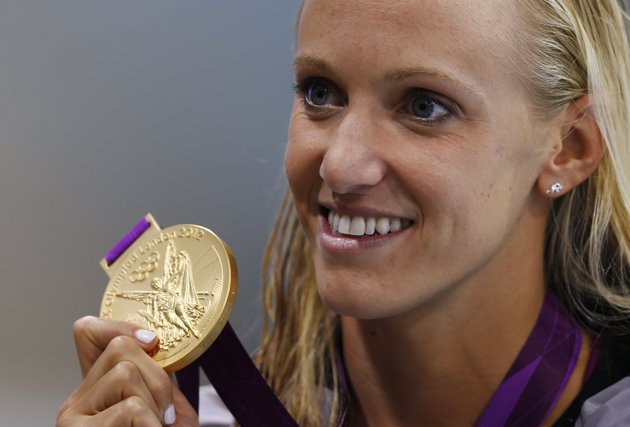
The American swimmer has won Olympic gold and set world records while managing not only gluten sensitivity but also other food allergies. She has stated more than once that her successes were fuelled by a strict diet, proving that excellence accepts no dietary excuses.
Beyond the finish line: awareness as an extra gear
The stories of champions like Castrogiovanni, Muirhead and Djokovic teach us a valuable lesson: coeliac disease isn’t the “handbrake” on a sporting career — it can become the catalyst for a new athletic awareness.
Accepting the diagnosis means learning to listen to your body with a precision few other athletes possess. It means caring about the detail, carefully choosing the best fuel, and turning discipline at the table into discipline on the field.
Whether you’re aiming for an Olympic medal or simply to beat your personal best on the Sunday run, remember that your potential isn’t defined by what you can’t eat, but by the grit with which you take on every challenge.
Gluten-free isn’t a limit — it’s just another way of training to win.
Leave a Reply